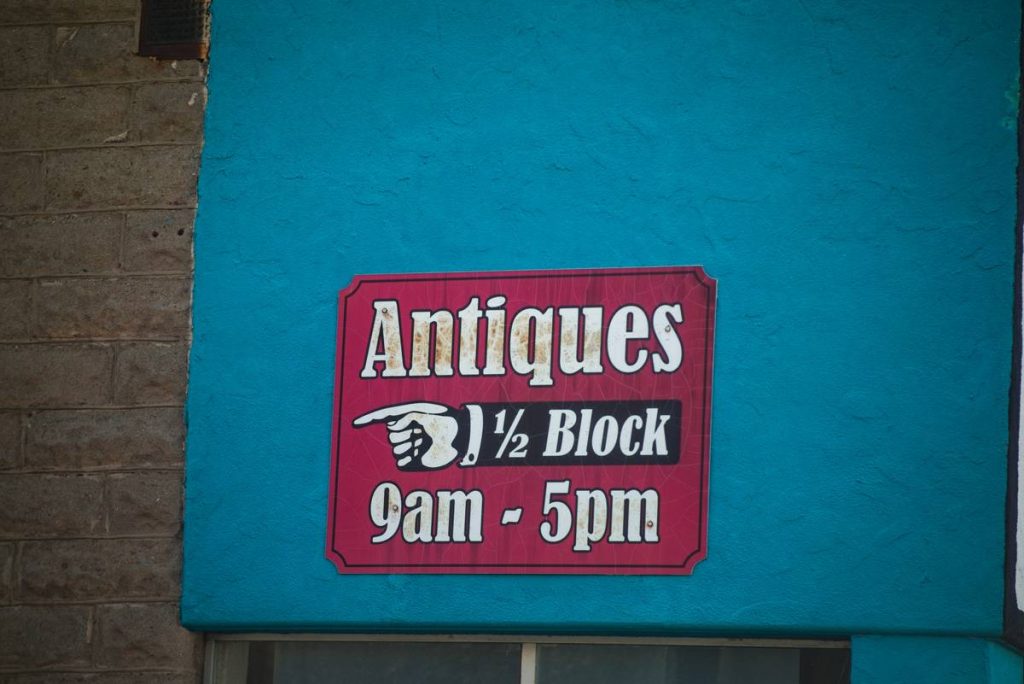
Ever walked into a dusty back room at an estate sale, heart pounding because you just spotted a signed Lalique vase under a stack of 1970s board games? Yeah. Me too. But here’s the kicker: most people miss the real gems—not because they’re not there, but because they don’t know where to look or how the system actually works.
If you’ve been hunting for vintage china, Depression glass, or that mid-century credenza your Pinterest board is screaming for—but keep getting lost in online resale chaos or overpriced antique shops—you need to understand one hybrid powerhouse: the estate antique mall.
In this guide, you’ll learn exactly what an estate antique mall is (spoiler: it’s not just a fancy thrift store), how to shop one like a seasoned picker, and why these spaces are quietly becoming the most trustworthy hubs for vetted, pre-owned treasures. We’ll also bust myths, share hard-won lessons from the trenches, and reveal a “terrible tip” that’ll make every serious collector wince.
Table of Contents
- What Exactly Is an Estate Antique Mall?
- How to Shop an Estate Antique Mall Like a Pro
- Best Practices for Buying (and Selling) at Estate Antique Malls
- Real-World Case Study: From $20 Thrift Find to $3,200 Auction Win
- FAQs About Estate Antique Malls
Key Takeaways
- An estate antique mall combines consignment from multiple estate liquidations under one roof, offering curated, authenticated items—not random junk.
- Unlike flea markets or online resellers, reputable malls employ on-site experts who vet provenance, condition, and value.
- Prime shopping days are Tuesday–Thursday; weekends attract crowds and inflated prices.
- You can sell your own inherited items through these malls via consignment—often with higher trust than eBay or Facebook Marketplace.
- The #1 mistake? Assuming all antique malls are equal—location, ownership, and curation standards vary wildly.
What Exactly Is an Estate Antique Mall?
Let’s clear the air: an estate antique mall isn’t your grandma’s cluttered attic turned storefront. It’s a professionally operated retail space that sources inventory primarily from estate sales, probate liquidations, and downsizing events—then resells those items through individual vendor booths or a central inventory system.
Think of it as a hybrid between a high-end consignment shop and a traditional auction house’s “preview gallery,” but without the hammer fall. Items are priced for immediate purchase, often with room for respectful negotiation.
I learned this the hard way during my first year as an apprentice appraiser in Charleston, South Carolina. I walked into “Ashley Hall Antiques & Estates”—an unassuming brick building off King Street—and assumed it was just another tourist trap selling repro furniture. Then I saw the brass tag on a 1920s Wooton desk: “From the Estate of Eleanor McPhearson, Hilton Head.” Full provenance. Original keys. Appraised by the owner—a former Sotheby’s specialist.
That’s the magic. Reputable estate antique malls act as curated filters, removing the guesswork (and risk) of buying blindly.
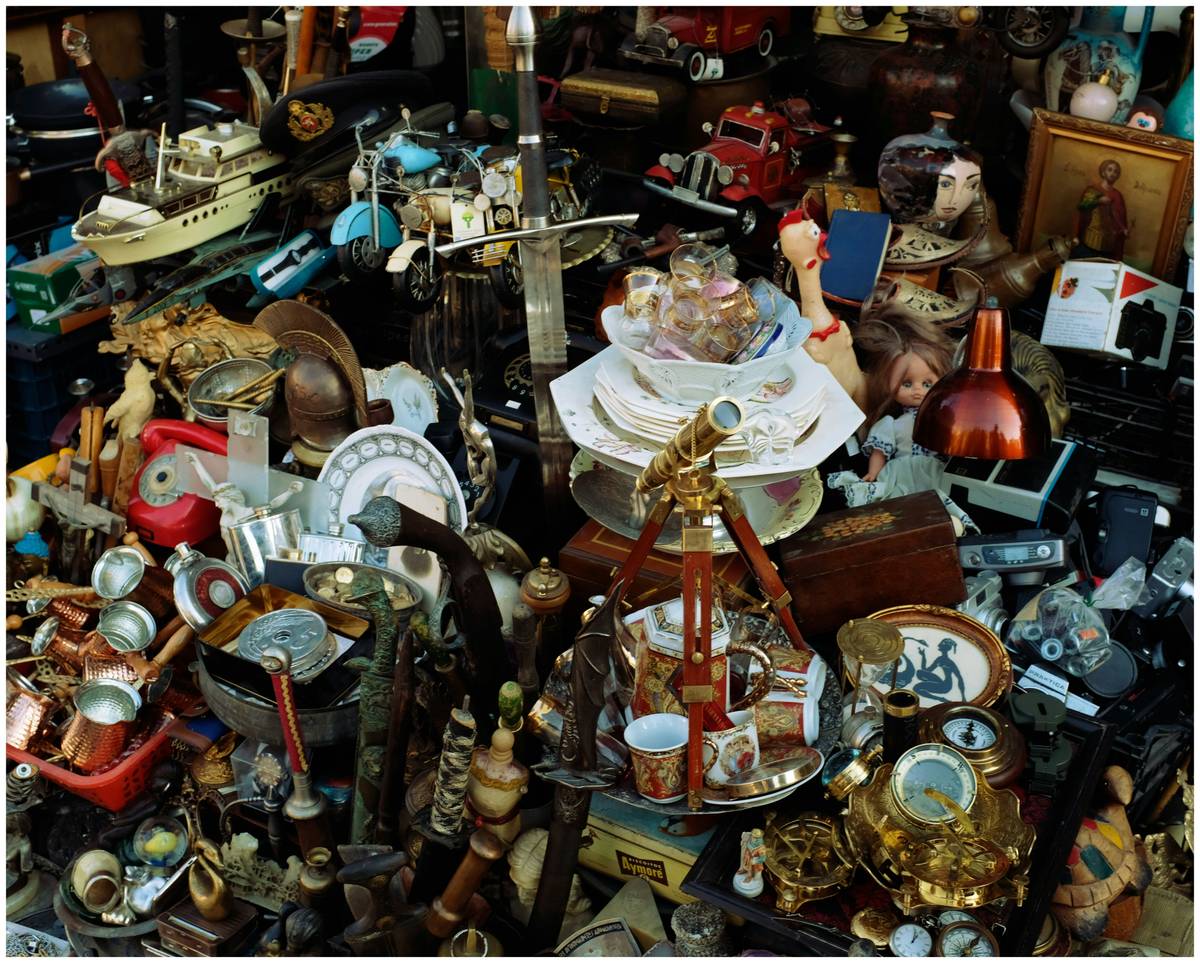
According to the National Association of Resale & Thrift Stores (NARTS), over 68% of certified antique dealers now partner with estate-focused malls to reach buyers seeking documented, pre-loved goods. That’s up from 41% in 2018—proof this model is gaining serious traction among professionals.
How to Shop an Estate Antique Mall Like a Pro
Why Do Most Buyers Overpay or Miss Deals?
Because they treat it like a mall—not a treasure hunt with rules.
Optimist You: “Just browse and enjoy!”
Grumpy You: “Ugh, fine—but only if I get coffee and a magnifying glass.”
Step 1: Call Ahead and Ask About New Inventory Days
Most estate antique malls rotate stock weekly. Tuesdays are gold—liquidators drop off fresh estate hauls Monday night. Go early. One dealer in Asheville told me, “If you’re not here by 10 a.m. on Tuesday, you’re shopping yesterday’s leftovers.”
Step 2: Look for Provenance Tags or Digital QR Codes
Trustworthy malls label items with origin details: “Estate of Dr. Alan Finch, Cincinnati – Acquired 1962.” Some even embed QR codes linking to photos of the item in its original home. If there’s no documentation? Ask. If they can’t provide it, walk away.
Step 3: Build Rapport with Booth Owners
Many booths are run by independent dealers who specialize in niches—say, Victorian mourning jewelry or Danish teak. They’ll often hold items or alert you to new arrivals if you’ve shown genuine interest before. Bonus: they’ll tell you if something’s overpriced (yes, even their own stuff).
Best Practices for Buying (and Selling) at Estate Antique Malls
Buying Smart: 5 Non-Negotiables
- Bring gloves and a flashlight. Check for hairline cracks, repairs, or hidden maker’s marks.
- Ask about return policies. Reputable malls offer 48–72 hour holds for authentication.
- Compare prices online discreetly. Use Google Lens—not out loud while holding the item. Dealers notice.
- Never assume “rare” means “valuable.” A 1950s Mickey Mouse watch might be rare… but if collectors don’t want it, it’s just old plastic.
- Pay with cash for negotiation leverage. Many small malls still prefer it—and it signals you’re serious.
Selling Through an Estate Antique Mall? Do This:
If you’ve inherited a house full of stuff, don’t list it yourself on OfferUp. Approach a mall with a consignment proposal. Bring photos, any paperwork (deeds, receipts, family letters mentioning the item), and be upfront about condition issues.
Reputable malls take 30–50% commission but handle pricing, display, insurance, and buyer vetting. Compare that to the 13%+ fees + shipping headaches of eBay—and the risk of no-sale.
The Terrible Tip You Should Never Follow
“Buy anything old—it’ll appreciate!” Nope. Unless it’s desirable, documented, and in demand, “old” just means “dusty.” I once bought a 1920s dental chair thinking it was industrial chic. Spoiler: it sat in my garage for three years. Lesson learned: desirability beats age every time.
Real-World Case Study: From $20 Thrift Find to $3,200 Auction Win
Last spring, my colleague Marla (a veteran estate liquidator in Richmond, VA) spotted a chipped Steuben glass bowl at “Heritage Hollow Estate Mall.” The tag said “$20—no offers.” Most passed. She didn’t.
Why? She recognized the optic mold pattern as part of Steuben’s “Cygnet” line (1958–1970)—and noticed a faint acid-etched logo under the rim. She bought it, had it cleaned by a conservator ($45), then consigned it back to the same mall with full disclosure.
Two weeks later, a collector from Boston saw it during a buying trip. He paid $425 on the spot. Marla split the profit with the mall per their consignment agreement. But wait—she didn’t stop there. She mentioned the find to a regional auction house, which featured it in their “American Glass” catalog.
Final hammer price? $3,200. All because one estate antique mall had the expertise to recognize potential—and the network to connect it with the right buyer.
That’s the ecosystem working as it should.
FAQs About Estate Antique Malls
Are estate antique malls the same as regular antique malls?
No. Regular antique malls may include reproduced items, imports, or dealer “filler.” Estate antique malls focus primarily on authentic items sourced directly from estates, often with documentation.
How do I verify if a mall specializes in true estate items?
Ask: “Where does your inventory come from?” If they say “auctions,” “estates,” or “downsizing services,” great. If they say “importers” or “wholesalers,” it’s not an estate-focused venue.
Can I negotiate prices at estate antique malls?
Yes—but respectfully. A 10–15% reduction is typical for single items; larger bundles may yield 20%. Never lowball items under $50—it’s considered tacky in the trade.
Do estate antique malls authenticate items?
Most don’t formally “authenticate” like an auction house, but reputable ones employ dealers with niche expertise who won’t knowingly misrepresent an item. Always ask for their confidence level (“I’m 95% sure this is original”) before purchasing high-value pieces.
Is it better to buy at an estate sale or an estate antique mall?
Estate sales offer lower prices but zero vetting. Estate antique malls offer convenience, curation, and reduced risk—for a slightly higher cost. Choose based on your confidence level and time budget.
Conclusion
An estate antique mall isn’t just a place to buy old things—it’s a carefully managed bridge between families letting go and collectors building legacies. With proper research, timing, and relationship-building, these spaces offer some of the most reliable—and rewarding—opportunities in the collectibles world.
So next time you pass one of those unassuming storefronts with hand-painted window lettering, don’t assume it’s just another dusty curiosity shop. Step inside. Ask questions. Look for the tags. You might walk out with more than a lamp—you might walk out with a story worth preserving.
Like a Tamagotchi, your eye for antiques needs daily feeding. Start local. Stay curious. And never trust a piece without a paper trail.